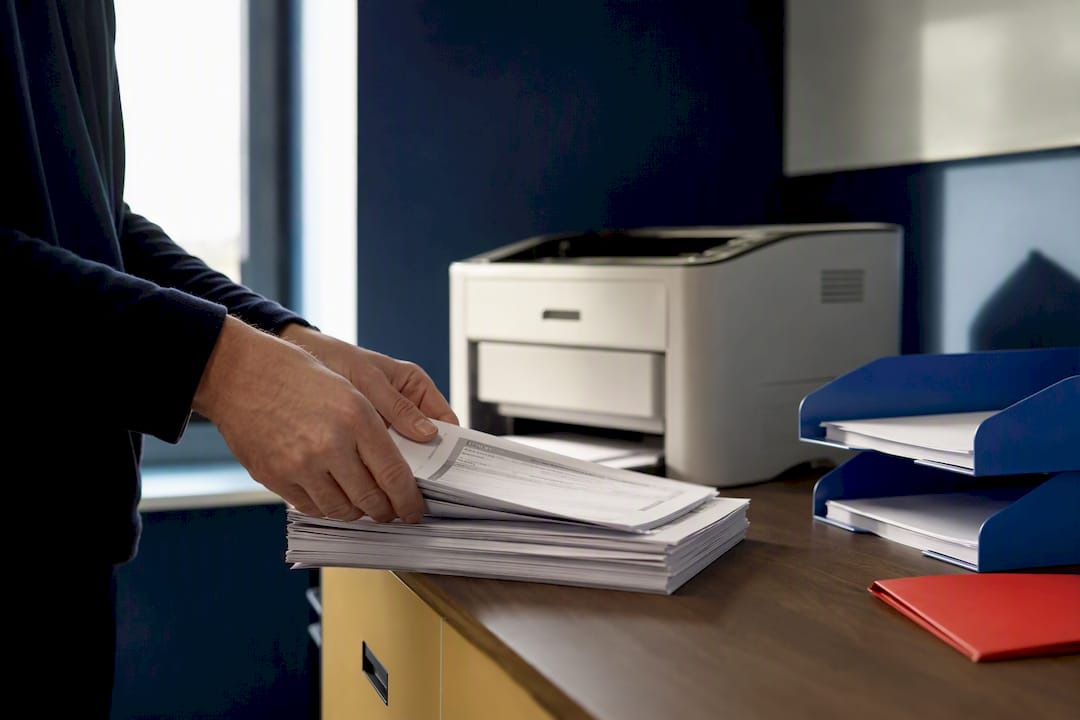
For most UK students who need several GCSE past papers, downloading MathVault’s curated, board-specific files and sending them to an online print-and-deliver service gives the best balance of cost and convenience. If you only need one or two papers by tomorrow, printing at home or popping into a local copy shop wins on speed. Whichever route you choose, always print past papers from an official exam board PDF or a trusted curated source, never a random scanned copy.
TL;DR:
- Printing 20 or more GCSE past papers at once with online services offers the best per-page cost, but requires planning two to seven days in advance.
- Always start with official PDFs from exam boards or trusted sources like MathVault, merge related papers, and verify double-sided printing to avoid reprints.
- For small batches or last-minute revision, printing at home or using local shops provides faster options, though ink costs can outweigh savings.
- Organising printed papers into labelled booklets and keeping mark schemes separate improves revision efficiency and reduces mistakes.
- Ensure the source files are accurate, well-formatted, and visually clear before printing to prevent errors and wasted effort.
Table of Contents
- Quick options: what each method involves and when to choose it
- Prepare files correctly before you print or order
- Cost and turnaround: realistic UK price and timing expectations
- Organise printed papers for effective revision
- Where to download official past papers in the UK
- How Mathvault helps: curated files, worked solutions and print-ready packs
- Legal considerations and copyright issues when printing past papers
- Quality checks before printing to ensure clarity and usability of papers
- Editorial perspective: when paying for print is worth it
- Get print-ready GCSE maths packs from Mathvault
- Sources
Quick options: what each method involves and when to choose it
There isn’t one right way to get printed exam papers on your desk. It depends on how many you need, how soon, and how much you’re willing to spend on convenience.
- Print at home: Sensible for one to three papers or last-minute revision the night before a mock. Your own printer keeps upfront cost low, but ink cartridges push the real per-page cost higher than most people expect, especially for anything printed in colour.
- Local print or copy shop: Good for same-day or small bulk jobs, particularly if you’re printing a week’s worth of papers for a tutoring session. Ask specifically for double-sided printing and stapling or a simple booklet fold. Most high-street shops can do this in minutes.
- Online print-and-deliver services: The cheapest option per page once you’re printing 20 papers or more. Upload one merged PDF, select double-sided black-and-white, and choose UK delivery. You lose the same-day convenience but gain a lower total bill.
- Pre-printed packs: Some UK tutoring providers, including SHLC Tutors, sell professionally bound GCSE past-paper booklets in A4 or A5 with UK delivery. They cost more per paper but save the admin entirely, which matters if you’re a parent juggling three different exam boards at once.
Choosing between them usually comes down to a simple trade-off: speed against cost, and how much hassle you’re prepared to absorb yourself.
Prepare files correctly before you print or order
Getting the file right before you print saves reprints, wasted paper, and wasted money. Whether you’re using your own printer or sending files to a shop, the preparation steps are identical.
- Start from an official PDF, either from the relevant exam board or a curated source like MathVault’s past-paper guide, never a low-resolution scan someone has forwarded around a group chat.
- Merge related papers into a single subject pack using any free PDF tool, keeping the original page order intact.
- Set the page size to A4, check the orientation, and preview double-sided printing carefully. Getting the page order wrong on a duplex job is the single most common reason people end up reprinting.
- Strip out unnecessary web headers or footers left over from a download page, but keep any required insert sheets, such as formula or equation booklets. These are easy to miss and genuinely change what a student can access in the exam.
- Name each file clearly with the board, year, series, and paper number (for example, “AQA_2023_June_Paper2”) so nothing gets mixed up once it’s printed and out of its folder.
If you’re taking files to a shop rather than printing at home, hand over a short checklist rather than a vague instruction. State the page count, double-sided or single-sided, black-and-white or colour, and whether you want stapling or spiral binding.
Pro Tip: Always print one test page before committing to a full batch. It costs you thirty seconds and catches margin or scaling errors that would otherwise ruin an entire booklet.
Cost and turnaround: realistic UK price and timing expectations
Home printing feels free until the ink cartridge runs dry. A typical inkjet cartridge costs enough that black-and-white pages work out to several pence each once you factor in paper, and colour pages cost noticeably more. Printing double-sided roughly halves your paper use straight away, which is the single easiest saving available to anyone printing at home.
Local print shops usually charge per page for black-and-white double-sided copies, with a small additional fee for stapling or a booklet fold. Same-day or next-hour service is normally available but expect a price uplift for the rush.
Online print-and-deliver services tend to offer the lowest per-page rate once you’re ordering in bulk, because they’re built around large runs rather than one-off jobs. Turnaround typically runs from two to seven working days depending on the provider and delivery speed selected, so this route suits planned revision rather than last-minute panic.
- Group papers by subject before ordering to avoid paying for duplicate cover pages or wasted binding runs.
- Stick to black-and-white unless colour genuinely affects readability, since colour printing is consistently the biggest cost driver across every method.
- Compare stapling, spiral, and simple booklet folding. SHLC Tutors’ printed booklets show that a straightforward double-sided black-and-white spiral format tends to be the most durable and cost-effective choice for repeated revision use.
Organise printed papers for effective revision
A stack of loose printed papers is barely more useful than a folder full of PDFs nobody opens. Turning printouts into structured booklets is what actually makes them work for revision.
A4 keeps full working space for algebra and long-answer maths questions, which matters more than people assume when a student needs room to show their method. A5 is more portable and easier to carry to a tutoring session, but cramped working space can cause avoidable errors on paper-based questions. Choose based on how the student actually works, not on what looks neater on a shelf.
The University of Leeds’ revision guidance recommends organising material into labelled, subject-specific booklets rather than one enormous stack, and grouping three to six papers per booklet strikes a sensible balance between manageable and comprehensive.
- Label each booklet clearly with exam board, tier, and year range so nobody has to guess what’s inside.
- Keep mark schemes in a separate pack, or print them on differently coloured paper, so students can’t glance at answers mid-attempt during timed practice.
- Store finished booklets in labelled folders or wallets, ready to be reused for repeated mock exams without reprinting.
Pro Tip: Colour-code mark scheme covers by exam board. It sounds trivial, but it stops the common mistake of grading an AQA paper against an Edexcel scheme during a rushed revision session.
Where to download official past papers in the UK
Getting the source file right matters more than any printing decision that follows it. AQA’s official past papers page lets you filter directly by specification and year, and it remains the most reliable starting point for AQA papers and their matching mark schemes.
University archives fill in some of the gaps for older material. Bodleian Libraries maintains a searchable exam-paper archive, though some collections need institutional login, and the University of Reading’s repository works in a similar way. These are more useful for context and historic papers than for current GCSE revision.
For curated, print-ready GCSE resources organised specifically by board and topic, MathVault’s past-paper library saves the time otherwise spent hunting across multiple board websites.
- Confirm the exam board matches the student’s specification exactly, since AQA and Edexcel papers are not interchangeable despite covering similar content.
- Check the series (June or November) and component number before printing, particularly for maths papers split across multiple tiers.
- Cross-reference the mark scheme date against the question paper date. A mismatched pair is one of the most common printing mistakes families make.
How Mathvault helps: curated files, worked solutions and print-ready packs
Mathvault organises GCSE and A-Level maths past papers by exam board, alongside fully worked step-by-step solutions, video walkthroughs, and topic-based bundles, all free to access. Files are structured so downloading a board-specific pack gives you a clean, print-ready set without hunting across several exam board sites.
Beyond the papers themselves, Mathvault runs live weekly Q&A sessions where students can ask about the exact questions they’re stuck on. The practical next step is straightforward: download the relevant board-specific pack, run it through the file-preparation checklist above, then send it for printing.
Legal considerations and copyright issues when printing past papers
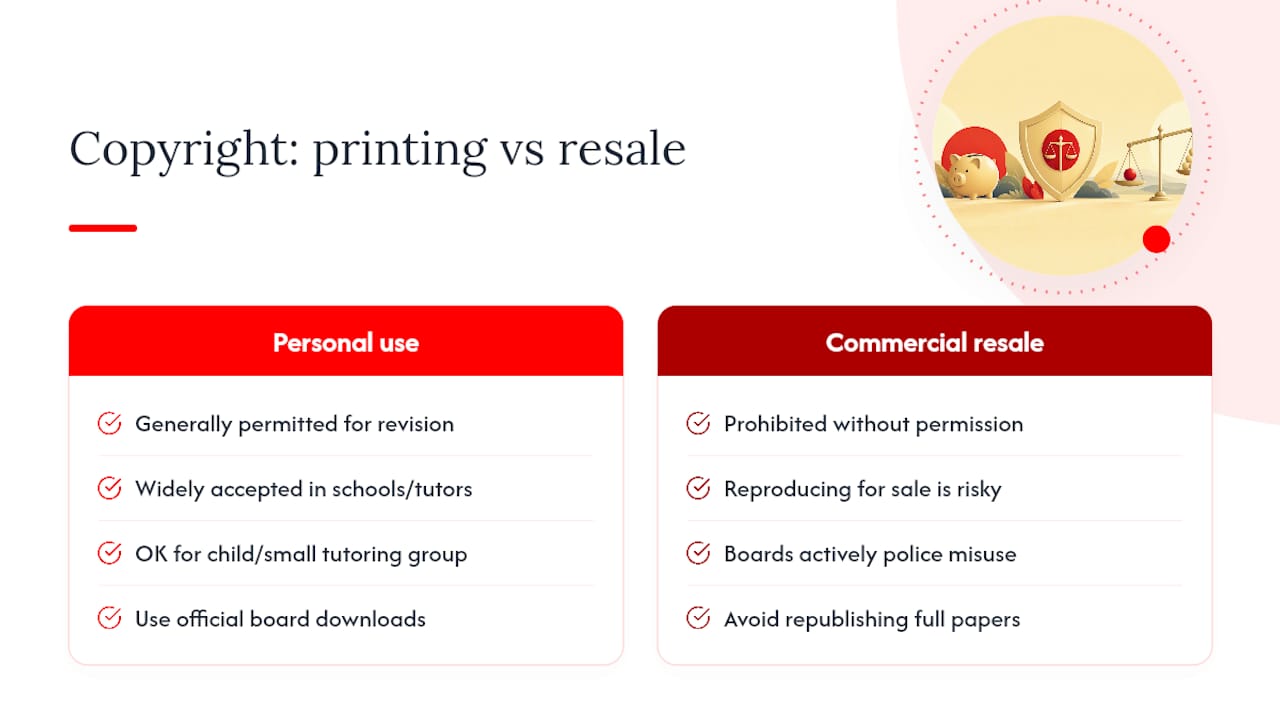
Exam boards own the copyright on their past papers, but they generally permit printing and copying for personal or classroom revision use. This is why downloading directly from an official board page, rather than a reposted PDF of unclear origin, matters beyond simple accuracy.
Problems tend to appear with commercial resale rather than personal printing. Printing a paper for your own child, a small tutoring group, or a classroom is standard practice and widely accepted across UK schools and tutoring services. Reproducing large volumes of exam board material for sale, or republishing full papers on a public website without permission, crosses into territory the boards actively police.
If you’re a tutor preparing packs for multiple students, it’s worth sticking to papers sourced from the board’s own site or from a platform like Mathvault that curates official material appropriately, rather than papers passed along from unverified sources. That protects both the accuracy of what you’re printing and keeps you clear of any copyright ambiguity. When in doubt about commercial use, most exam boards publish their own terms of use alongside the papers themselves, and it’s worth a quick read if you’re printing at any real scale.
Quality checks before printing to ensure clarity and usability of papers
A cheap printout that’s hard to read costs more time than it saves.
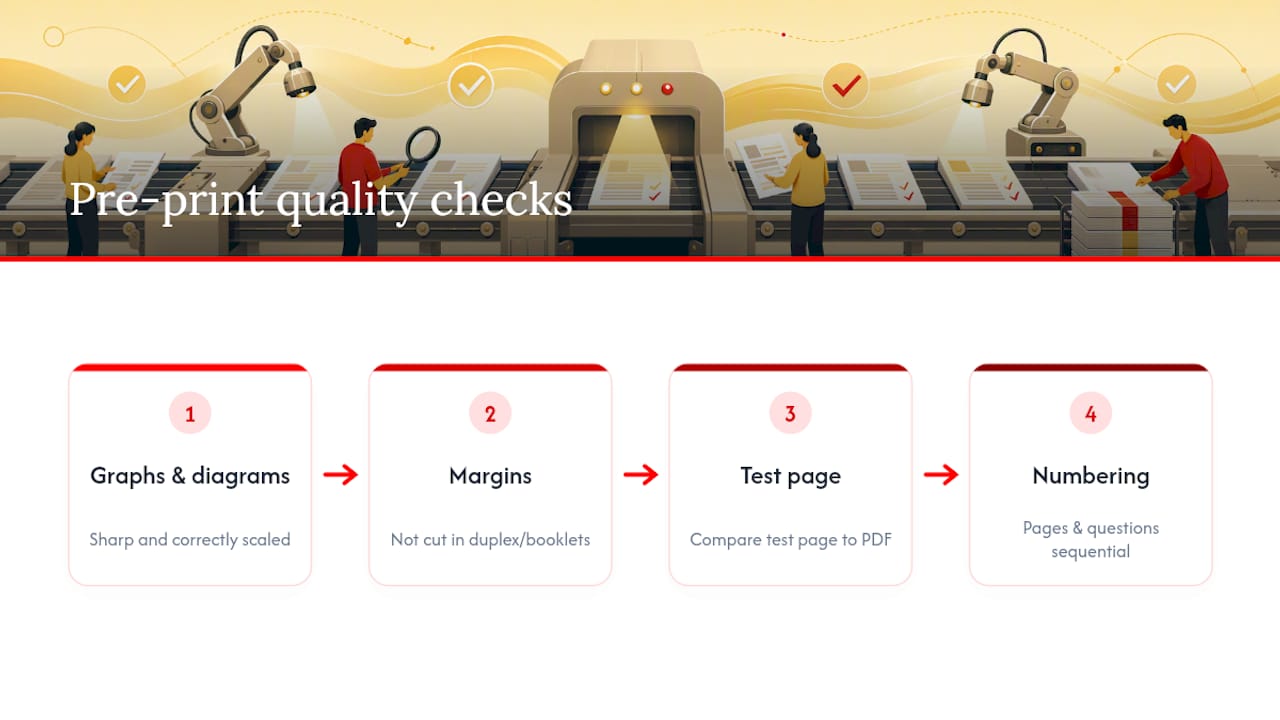
Confirm that any graphs, geometry diagrams, or statistical charts remain sharp and correctly scaled, since maths papers rely heavily on visual accuracy in a way that other subjects don’t. A slightly distorted diagram can genuinely change how a student answers a question.
Check margins haven’t been cut off during double-sided printing, particularly on booklet-fold jobs where inner margins shrink. Print a single test page first, exactly as recommended earlier, and hold it next to the original PDF on screen to compare. Finally, check that page numbers and question numbering remain sequential once double-sided printing and any booklet folding are applied. Misaligned page order is a frequent, entirely avoidable cause of confusion during timed practice.
Editorial perspective: when paying for print is worth it
Paying for a professionally printed pack earns its cost back the moment you’re managing several tutees or subjects at once, because consistency and saved admin time matter more than the extra pounds per booklet. DIY printing still wins for urgent, small, or genuinely tight-budget situations, a single paper the night before a mock doesn’t justify a delivery wait. The real skill isn’t choosing one method forever. It’s matching the method to the moment, and not letting either cost or convenience quietly take over the decision.
— Oloru
Get print-ready GCSE maths packs from Mathvault
Mathvault is the free alternative to paying for scattered, board-mismatched past-paper bundles: every pack is organised by exam board and topic, checked against the correct specification, and structured so the file arrives ready to merge and print without hunting for missing mark schemes.
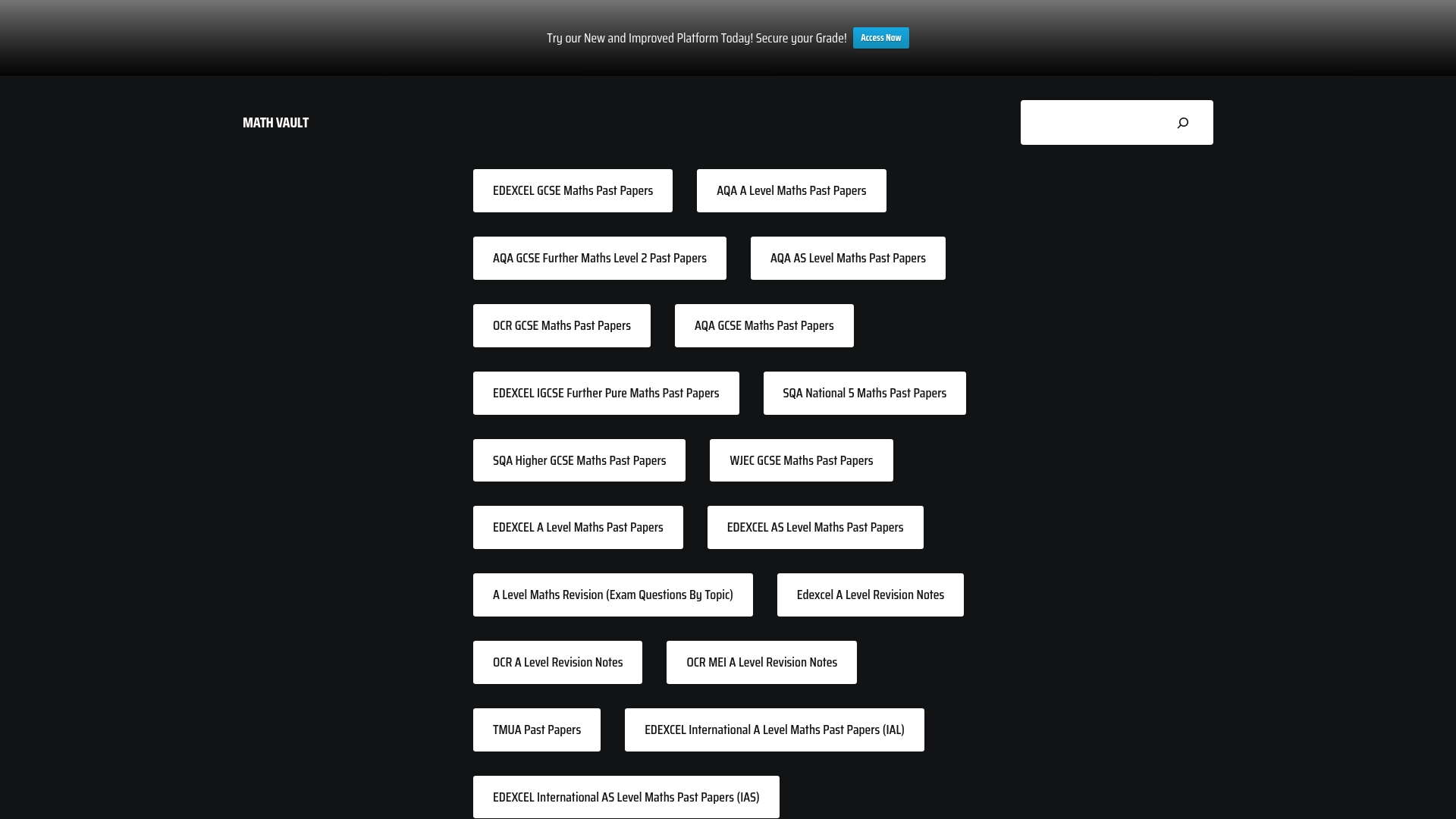
Each pack groups past papers with their matching mark schemes and worked solutions, so you’re not left guessing whether a scheme belongs to the right series. Parents ordering packs for more than one child, or tutors preparing sets for a group, benefit most from downloading once and reusing the same structured file across every printing session. Start with the GCSE maths revision guides to find the board-specific pack you need, run it through the preparation checklist above, and send it straight to your printer or print-and-deliver service of choice.
Sources
- AQA | Resources | Past Papers & AQA Mark Schemes
- Bodleian Libraries — Exam paper archive
- Revision and exams advice | University of Leeds
Leave a Reply